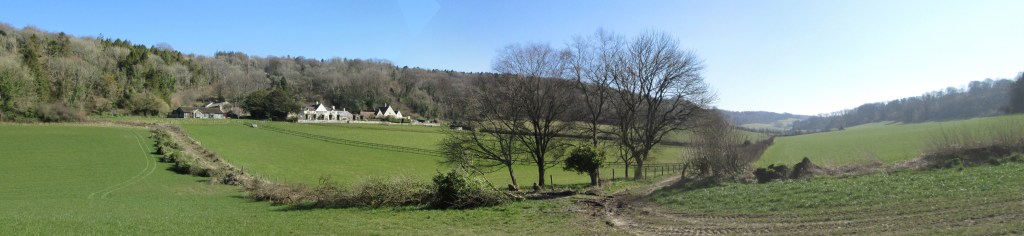
Heritage Statements are often required in support of planning applications that may affect a heritage asset such as a listed building, buildings in conservation areas, a registered historic park and garden, or a known archaeological site. The statement sets out an assessment of the significance of the historic asset, including its setting. It then examines the nature and scale of any impacts of the development proposal upon that significance.
Selected Projects
WWT London Wetland Centre
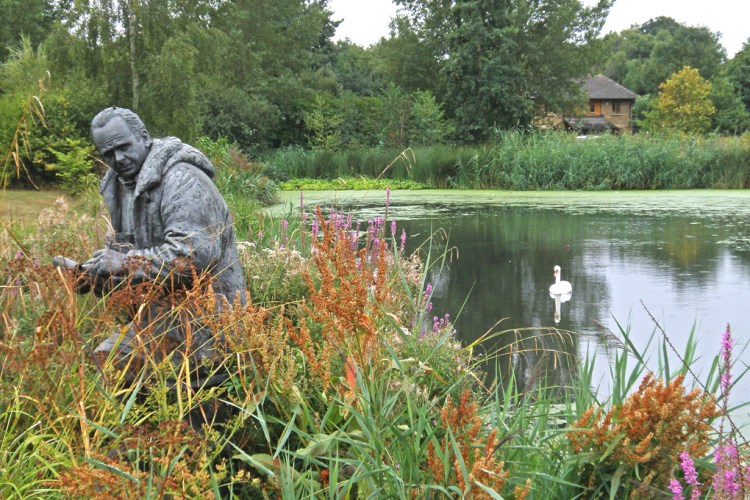
Boldly created from redundant Victorian reservoirs located on a peninsula of the meandering River Thames at Barn Elms, London’s Wetland Centre was the brainchild of the naturalist Sir Peter Scott, founder of the Wildfowl & Wetlands Trust. But even before the reservoirs, the site had a rich previous history. In the 16th century, it was part of the estate owned by Queen Elizabeth I’s spymaster, Sir Francis Walsingham. Two centuries later it was owned by the Hoare family (of Hoare’s Bank and Stourhead). For a few years in the early 19th century, the farm on the site of today’s wetland reserve was leased by the radical journalist and pamphleteer, William Cobbett, who experimented there in growing turnips, mangelwurzels and maize.
The significance of today’s site lies not only in its extraordinary history and modern-day wildlife but also in its value as a research and educational resource and much-loved oasis from its busy London surroundings by the local community.
Image: WWT London” by amandabhslater is licensed under CC BY-SA 2.0
Client: Wildfowl & Wetlands Trust
Delcombe, Milton Abbas, Dorset
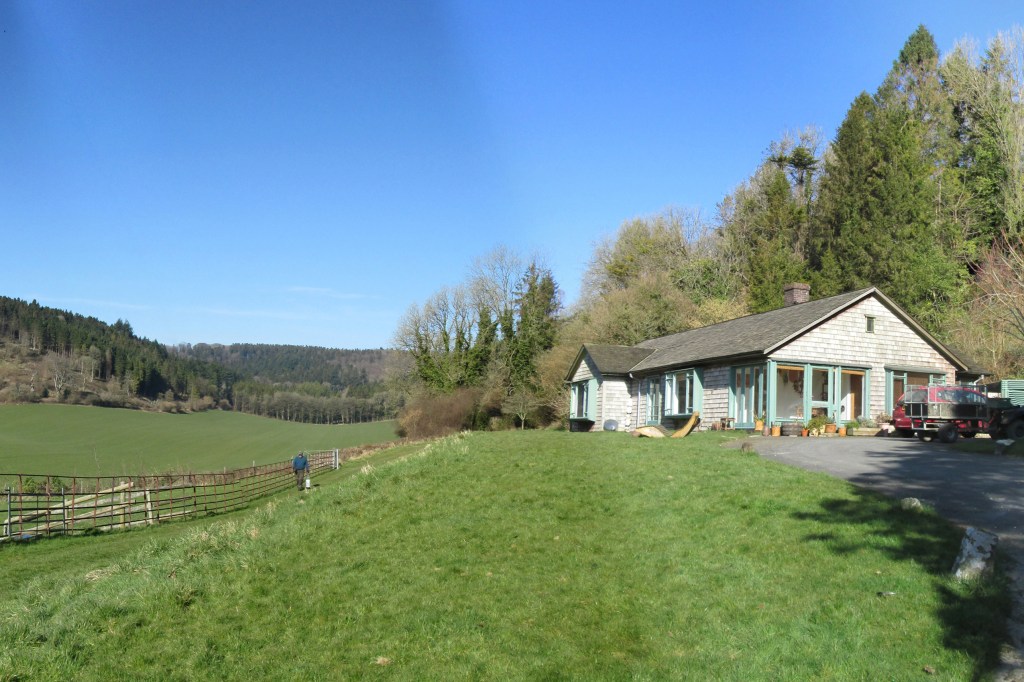
A planning application to replace a small existing bungalow (built c.1960) with a sensitively-designed new bungalow close to a Grade II* listed building in the quiet, outer reaches of the Milton Abbey Registered Park & Garden needed an accompanying heritage statement.
Having examined the early history of this part of the landscape and its inclusion within the 18th century designed landscape of ‘Capability’ Brown, the Statement assessed the impact of the proposed development, compared with the existing bungalow, on the setting of the nearby listed building. It concluded that the long-term impact would be neutral.
Client: Private
WWT Arundel Wetland Centre
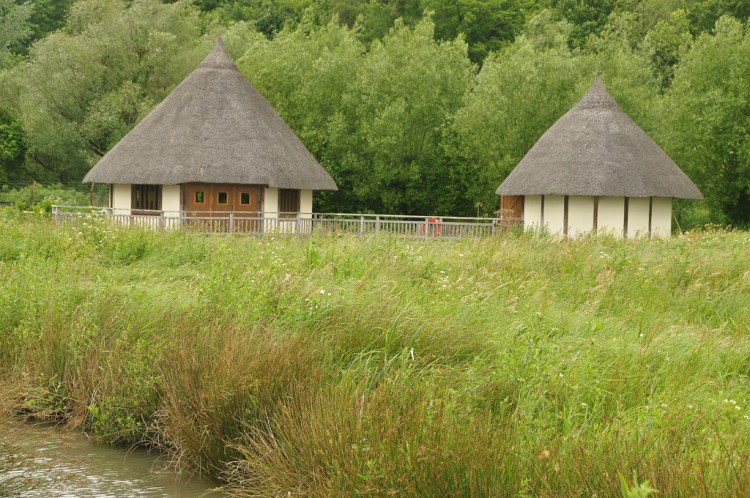
Situated just below the town of Arundel in Sussex, on the flood plan of the River Arun, the Wetland Centre site has a long history as a grazing marsh. For a time, it was a water meadow partly managed as watercress beds. In the mid-1970s the site was made into a wildfowl reserve by the naturalist, Peter Scott. The old watercress beds were enlarged and new lagoons created. An aviary was erected to house an important collection of Mývatn birds. Since then, the reserve has continued to evolve, now accommodating eight hides, a ‘Coastal Creek’ with diving ducks, a Pelican Cove, Sand Martin nest banks, and a range of lagoons with connecting ditches which can be travelled by boat.
A Statement of Significance was prepared for the Wildfowl and Wetlands Trust to inform and inspire future plans for visitor experience and appreciation of the site as a whole, in terms of its historic development and cultural associations, as well as its important wildlife.
Image credit: WWT Arundel (2537)” by Nilfanion is licensed under CC BY-SA 4.0
Client: Wildfowl & Wetlands Trust
 Judith Teasdale